

What Is Sciatica?
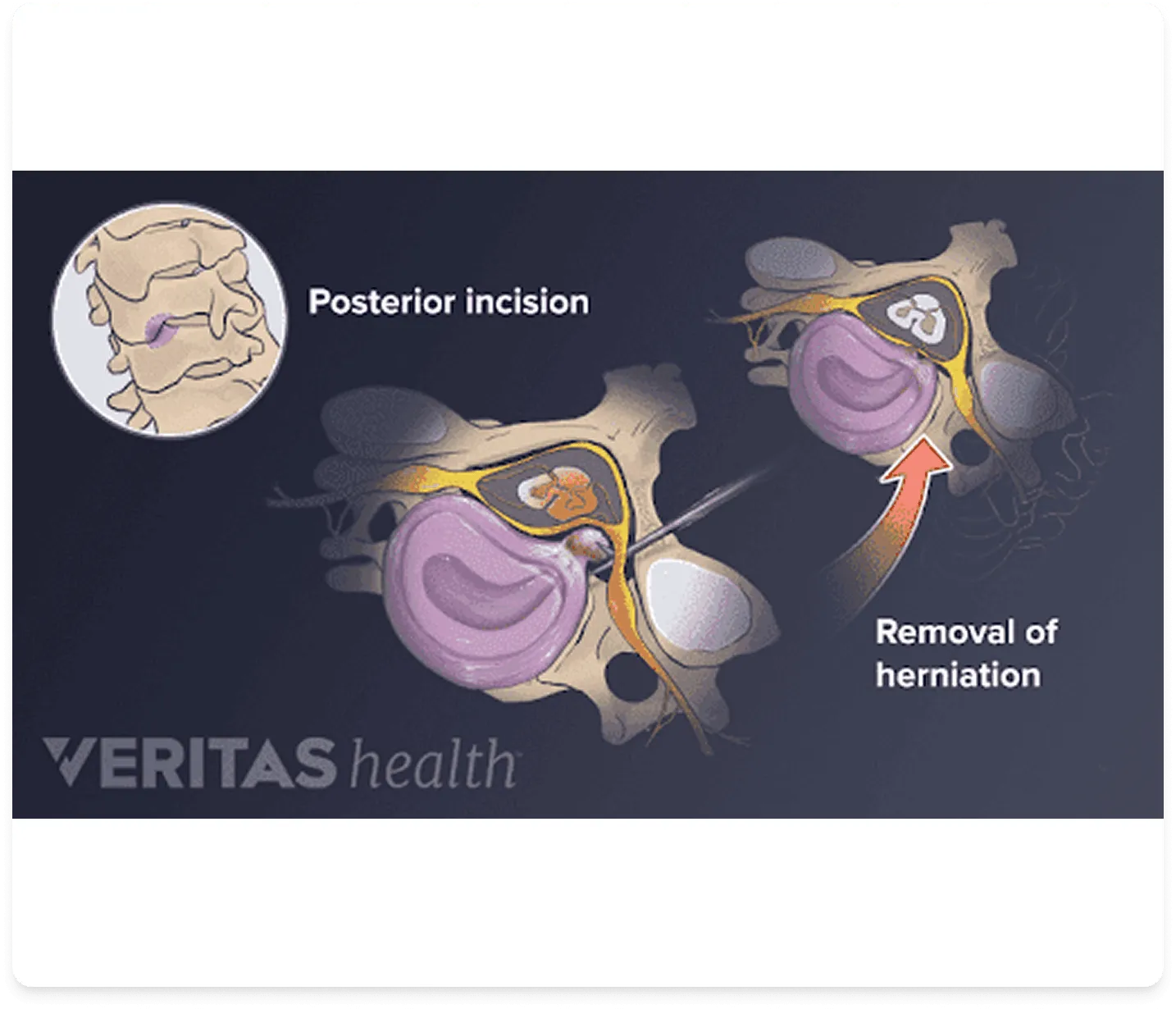
Sciatica refers to pain that radiates along the path of the sciatic nerve, which runs from your lower back through your hips and buttocks and down each leg. Typically, sciatica affects only one side of your body and is often caused by a herniated disc, bone spur, or spinal stenosis compressing part of the nerve.
This compression causes inflammation, pain, and often numbness in the affected leg. The pain can vary from mild to severe and may worsen with prolonged sitting, sudden movements, or coughing and sneezing.
While sciatica can be debilitating, many cases improve with non-surgical treatments like spinal decompression therapy, which targets the root cause of nerve compression.

What Does Sciatica Feel Like?
Sciatica symptoms can range from mild discomfort to severe, debilitating pain. Common symptoms include:
-
 Sharp, shooting pain from lower back down the leg
 - Burning or tingling sensation down the leg
- Numbness or weakness in the leg or foot
- Pain worse when sitting or standing for long periods
- Difficulty moving or controlling the leg
- Pain that radiates to the buttocks, thigh, calf or foot
The severity and location of symptoms depend on which part of the sciatic nerve is affected.
Common Causes of Sciatica
Sciatica is often caused by conditions that put pressure on the sciatic nerve, including:
 Herniated or bulging disc
- Spinal stenosis (narrowing of the spinal canal)
- Degenerative disc disease
- Spondylolisthesis (slipped vertebra)
- Piriformis syndrome
- Spinal injury or trauma
- Pregnancy-related pressure on the sciatic nerve
- Prolonged sitting and poor posture
Understanding the underlying cause is essential for effective treatment and long-term relief.


How Spinal Decompression May Help Sciatica
Spinal decompression is a gentle, computer-controlled therapy that reduces pressure inside your spinal discs. By creating targeted negative pressure, the treatment helps:
- Reduce pressure on the sciatic nerve
- Improve disc hydration and height
- Decrease inflammation around the nerve root
- Promote natural healing of the affected disc
What does the research suggest?
Clinical research examining non-surgical spinal decompression has explored its potential role in the management of sciatica caused by disc herniation. Studies suggest that structured decompression programs may be associated with:
 Reduction in leg pain and radiating symptoms
- Improved mobility and functional outcomes
- Decreased nerve compression and irritation
- Non-surgical alternative for eligible patients
These findings highlight the potential role of spinal decompression as part of a non-surgical management approach for sciatica. Individual results vary, and suitability must be determined through comprehensive clinical assessment.
Many people choose decompression when:
- They've tried medications, physiotherapy, or injections with limited success
- They want a gentle, non-invasive treatment option
- They're looking to avoid surgery if possible
- They want to address the root cause, not just mask symptoms
Full Clinical Assessment
Your chiropractor reviews your:
- History
- Symptoms
- Posture
- Neurological testing
- Orthopaedic testing
- Imaging (MRI, X-ray, CT if available)
Not everyone is a candidate — this step ensures safe, targeted care.
Personalised Treatment Setup
- Advanced ABC™ Correction
- Neurological Integration
- Digital Posture Analysis
Decompression Cycles
- Advanced ABC™ Correction
- Neurological Integration
- Digital Posture Analysis
Post-Session Stabilisation
- Advanced ABC™ Correction
- Neurological Integration
- Digital Posture Analysis
Who Is a Good Candidate for Sciatica Decompression?
Decompression may be suitable for people with:
- Sciatica caused by disc herniation
- Radiating leg pain
- Nerve root compression
- Bulging or herniated discs
- Degenerative disc disease with sciatica
- Chronic sciatic pain
- Failed conservative treatment
- Numbness or weakness in the leg
- Recurring sciatic episodes
We do not offer decompression to people with:
- Spinal tumours
- Unstable fractures
- Severe osteoporosis
- Diagnosed spondylolisthesis grade III or IV
- Recent abdominal surgery
- Pregnancy
How Many Sessions Are Needed?
While it varies, most people require a structured program of:
- 2–3 sessions per week
- for 6–10 weeks
Sciatica recovery is gradual, and consistent treatment is key to long-term relief. We incorporate chiropractic care, decompression and rehabilitation to improve long-term stability — not just short-term pain relief.
Will Decompression Help My Sciatica?
No therapy can guarantee a "cure", but spinal decompression may:
- reduce pressure on the sciatic nerve
- improve disc height and hydration
- decrease nerve inflammation
- improve mobility and reduce pain
- support natural healing of the affected disc
- reduce the frequency of sciatic flare-ups
- provide a non-surgical treatment option
Results vary based on the severity of nerve compression, age, inflammation level, and lifestyle factors.
Frequently Asked Questions
Yes — when properly assessed and supervised by a trained chiropractor. Manufacturer-provided clinical information and published research relating to BTL spinal decompression systems indicate that, when appropriately prescribed and supervised, spinal decompression is generally well tolerated in eligible patients. As with any clinical intervention, suitability must be determined through individual assessment, and responses may vary.
No. Most people find it relaxing. You should not feel pain during treatment.
Many cases of sciatica are caused by lumbar disc herniation. Decompression may help reduce nerve compression and improve symptoms.
This varies. We combine decompression with corrective chiropractic care and rehabilitation to support long-term results.
MRIs are helpful but not required. Your chiropractor will determine whether imaging is needed before proceeding.
Book an Assessment
If you're experiencing sciatica, leg pain, or radiating symptoms from a herniated disc, our chiropractors can assess whether spinal decompression may be suitable for you.
Book Now